

It’s been called “dirt fishing,” “beach scooping” and “relic hunting,” but no matter what you choose to call it, you’ll almost always see someone with a metal detector scanning the beach or park in search of lost or abandoned treasures. As hobbies go, it’s a pleasant way to spend your time – you’re out in the open air, you’re taking a nice stroll and, who knows, you may stumble upon something with real value at the end of the day.
To get some advice on how to properly kick off a fun and potentially rewarding metal detecting hobby, we reached out to Bill Harrington, who runs the popular Diggin’ SoCal YouTube channel and Instagram account.
“As a young man, I had a junky detector and I told myself that when I was close to retirement I was going to get a detector and give it a try again,” says Harrington. “Once I started, I was immediately hooked and really enjoyed the hobby and more importantly the excitement of finding cool, odd and, of course, valuable things.”
Harrington has unearthed everything from World War II-era military uniform buttons to an old toy train car from the 1960s to a 1917 Standing Liberty quarter–but warns against going into metal detecting with lofty dreams. “I think the biggest misconception is that someone is going to get a detector and go find a bunch of gold,” he says. “I had a guy I met tell me he bought one to do just that. He was at the same beach I was currently at and I could not help but laugh inside. Not to say you can’t get lucky but it takes a ton of patience and hard work.”
For Harrington, it’s the thrill of the unknown that makes the hobby so compelling. “We have unearthed some crazy items from knives in tot lots to random stuff that you ask yourself, ‘Why is this here?’ I remember once on a beach in Santa Barbara pulling a small tortilla maker out of the sand! What makes this an exciting hobby is that you really never know what the day will bring.”
Here is some of Harrington’s advice on how curious detectorists can get started:
Do your research
Although you tend to see metal detectors a lot at the beach, it’s not a hobby limited to certain geographic regions. Harrington suggests just doing a little research into the area or areas you intend to search to find the right detector to suit your needs.
“If I was starting today, I would jump on YouTube and search ‘metal detecting’ and look for channels that show different kinds of detectors and how they work. Even reaching out to a content creator could be helpful but there are a lot of interesting characters out there,” he says. “What I did was I went to a dealer who sells detectors and chatted with him. It was a small shop attached to a pawn shop and he was super helpful and that is where I got my first Minelab detector.”
Network
Harrington also recommends seeking out local clubs and connecting with likeminded hobbyists as a way to really immerse yourself in the activity.
“Most areas have metal detecting clubs. My friends in the Sacramento area belong to one and I know there is one out in San Bernardino, for example. Another good source is the Gold Prospectors Association. There are also groups on social media – If you were starting out now you could find a group like that and ask a ton of questions.”
Gear up
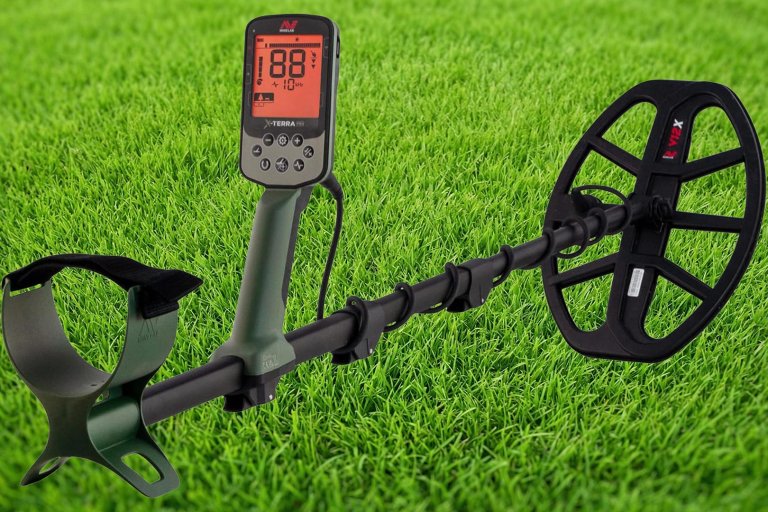
Harrington admits he learned the most by “trial and error,” but advises that novices don’t necessarily have to go for the most expensive equipment, especially not right away. There’s a wide range of detectors and varying price points that can help you get into it.
“At minimum, you need a decent detector. For beginners, Minelab has some good detectors in the $300-$500 range and then others in the $1,200 to $1,500 range. But less expensive detectors have done a great job, too. The ones I would warn against are those from unknown brands, especially those sold online, that are under a hundred bucks or so.”
Minelab PRO-FIND 35 Waterproof Pinpointer Metal Detector
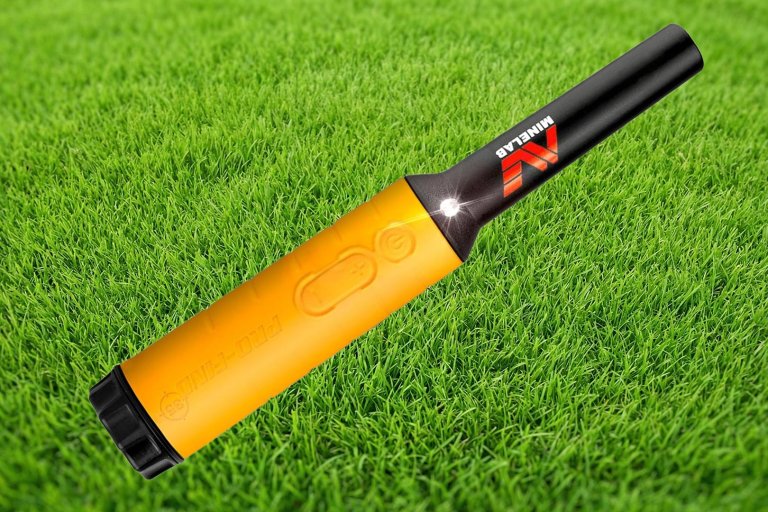
In addition to the detector itself, Harrington recommends getting a pinpointer – small, handheld metal detectors used to precisely locate metallic objects in holes or dirt piles – some “find bags” to put your discoveries in, and, of course, a digging tool.
GADFish Sand Scoop for Metal Detecting
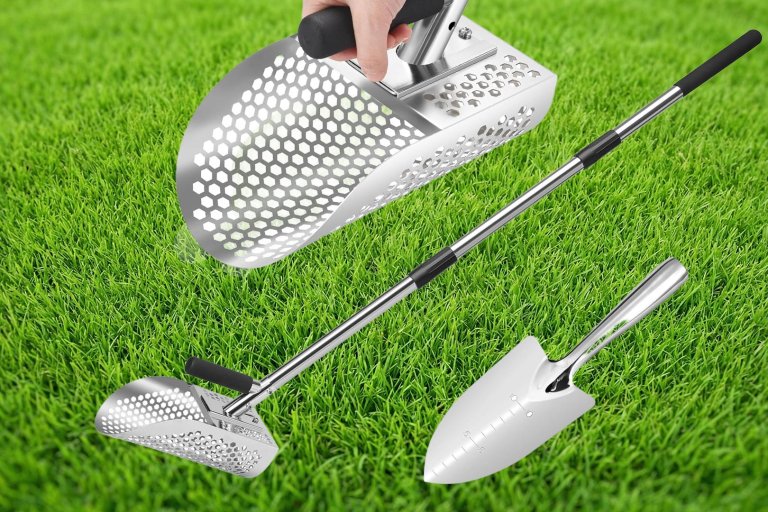
“If you beach detect, a good sand scoop is a lifesaver. I started with a handheld plastic one. Now I have a titanium scoop with a carbon fiber handle. All in all you could get a whole set-up for under $600: a good detector for around $400, a pinpointer for $140, and a digging tool for around $50.”
The post How to start metal detecting appeared first on Popular Science.