
The average American spends nearly an hour a day behind the wheel, according to the US Department of Transportation. Some people love driving. Others tolerate it in order to get around. But either way, on average we all spend a lot of time doing it.
So it’s understandable if, over time, we all come to believe a few things about our cars that aren’t true. There’s nothing more human than believing myths, but some of these false beliefs have people wasting money or getting upset at people who are actually doing the right thing. With that in mind, here are a few widely believed driving myths—and why research suggests they’re false.
Premium fuel is pointless (unless your car is made for it).
Diesel aside, there are three kinds of fuel at most gas pumps—regular, plus, and premium. The overwhelming majority of personal vehicles are built with regular fuel in mind; it’s basically just sports cars and a few luxury vehicles that require the higher octane.
Some people believe using premium fuel offers benefits, such as higher fuel economy, increased performance, or reduced tailpipe emissions. But there’s no evidence to support this idea. Engines are designed with a specific octane in mind. Using a higher octane won’t hurt anything, but it doesn’t benefit the vehicle in any way.
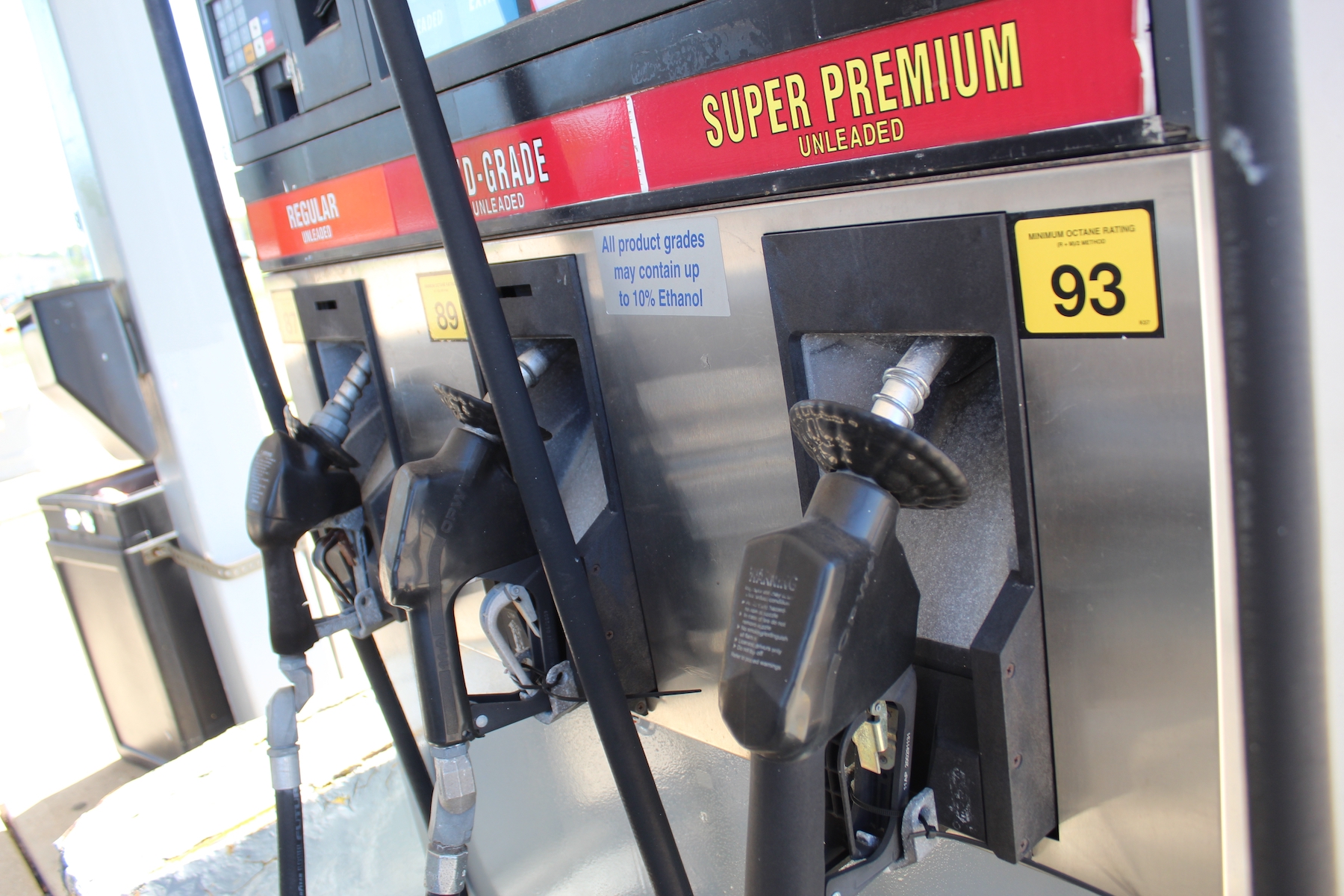
A 2016 study by the American Automobile Association (AAA) tested different fuels in identical cars. The study found no consistent increase in horsepower or fuel economy, and there was also no change in tailpipe emissions. The only real difference was the price of the fuel.
A 2003 publication from the US Federal Trade Commission put it plainly: “In most cases, using a higher octane gasoline than your owner’s manual recommends offers absolutely no benefit.”
Generally, if your car requires a higher octane fuel, there will be a sticker saying so when you flip open the fuel door. If not, check your car’s manual—it will state which kind of gas your car needs. But basically, if you don’t own a sports car or luxury vehicle, you should just use regular fuel.
Waiting to merge is good, actually.
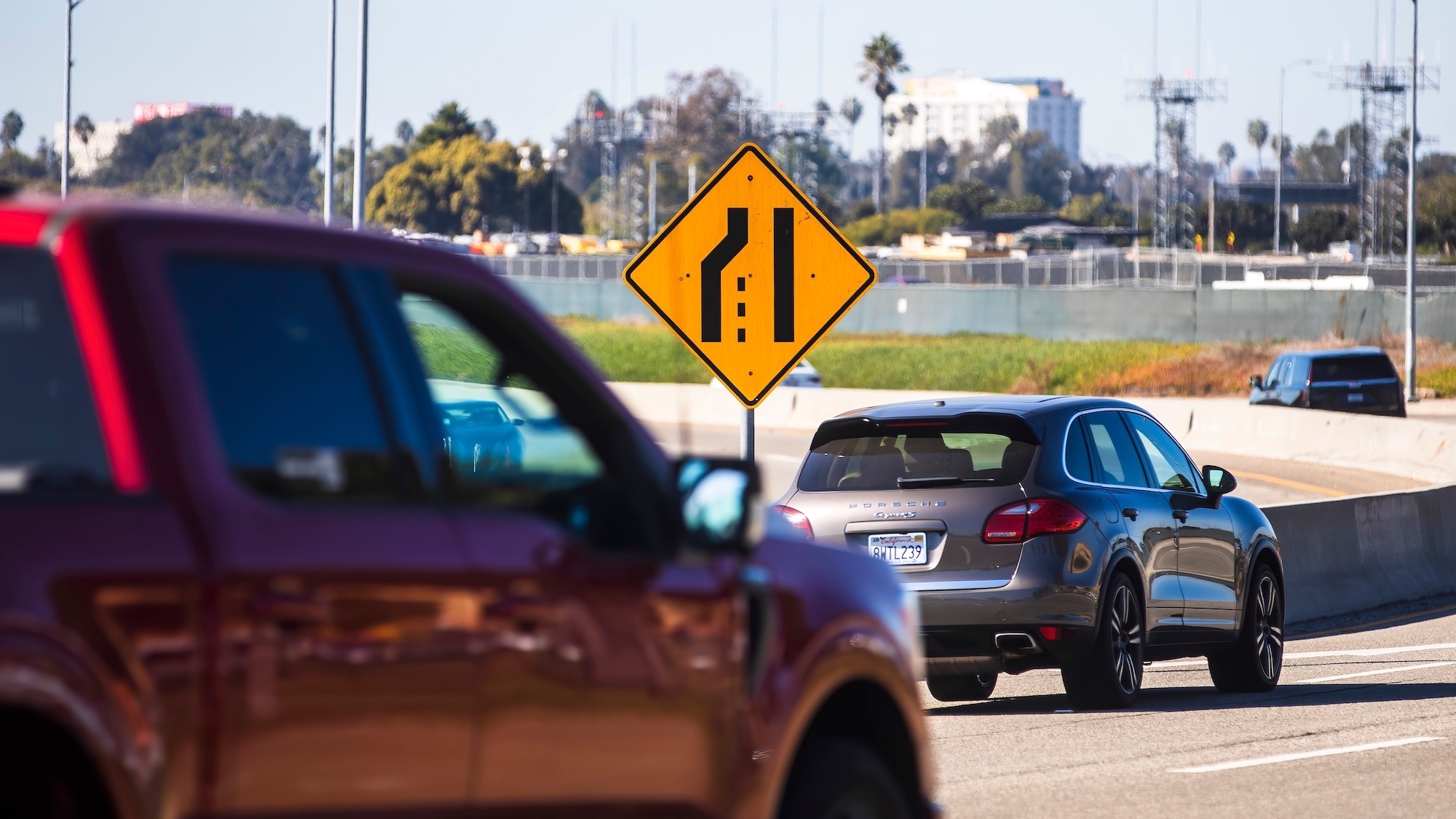
There’s a widespread belief that, if there’s a lane closure up ahead, people should merge into the open lane as soon as possible. The problem is that doing this slows down traffic. “When most drivers see the first ‘lane closed ahead’ sign in a work zone, they slow too quickly and move to the lane that will continue through the construction area,” reported the Minnesota Department of Transportation. “This behavior can lead to unexpected and dangerous lane switching, serious crashes, and road rage.”
There’s research backing this up. A 1999 study by researchers from the University of Nebraska showed that traffic moves faster if people stay in their lanes until the merge point, then take turns merging. A 2018 study from North Carolina State University shows that there’s a real safety benefit to this system, which is referred to as a zipper merge. According to the study, “drivers merged at much safer distances after installation of the zipper merge at these sites than before the zipper merge was in place.” The study also found that the zipper merge was safer for construction workers. A 2024 paper by researchers from Iowa State University analyzed construction sites in Michigan and Missouri, where portable lit signs instructed drivers to stay in the closing lane until the merge point. They found increased traffic throughput at those sites.
The problem is that not many people know about the benefits of the zipper merge. Some drivers get angry at drivers who don’t merge early, and in some cases will even cut them off. But research suggests everyone would get home faster if we all stayed in our lanes until the merge point.
Manual transmissions aren’t more efficient than automatic ones.
This myth was true, at some point, and still might be true for particular cars with particularly skilled drivers. Overall, though, there’s no real fuel economy advantage to driving a modern manual car. That’s according to the US Department of Energy (DoE), which stated that “advances in automatic transmissions have improved their efficiency to the point that the automatic version of a vehicle often gets the same or better fuel economy than the version with a manual transmission.”
Anyone who is interested can head to FuelEconomy.gov, a website run by the US Environmental Protection Agency (EPA) and the DoE. On this site you can see the miles per gallon (MPG) for any make and model, allowing you to directly compare the manual and automatic versions of any car. You can dig into the numbers yourself, comparing the automatic and manual version of the same car—assuming, that is, that the car is available as a manual. Such vehicles are a relative rarity in the United States, possibly making this myth largely academic (and that’s before we factor in the shift toward electric cars).
The post 3 driving myths too many people believe appeared first on Popular Science.