
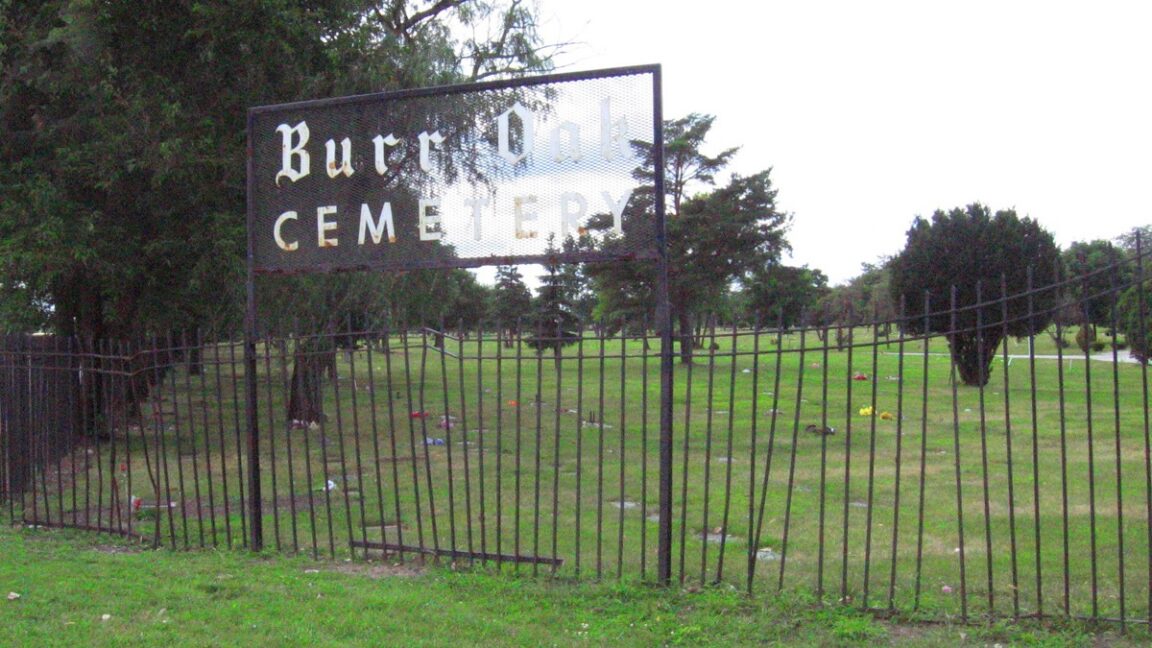
Back in 2009, residents were scandalized when employees at Burr Oak Cemetery in the Chicago suburb of Alsip were accused of exhuming old graves in order to resell the burial plots, unceremoniously dumping older remains in another area on the grounds. The perpetrators were tried and convicted in 2015, but the forensic evidence of the moss that helped convict them has now been detailed in a new paper published in the journal Forensic Sciences Research. It’s a follow-up to a 2025 paper concluding that mosses and other bryophyte plants have been used as evidence in forensic cases only a dozen or so times over the last century.
“The focus was an attempt to elevate the profile of these small, often overlooked plants,” co-author Matt von Konrat, who heads the botany collections at Chicago’s Field Museum, told Ars. “Mosses are ubiquitous, resilient, and capable of preserving timeline and habitat information in ways that complement other forensic tools. Our recent publications help consolidate these cases into the scientific record and, we hope, encourage investigators to recognize and preserve botanical evidence more routinely. [We also wanted to] highlight the use of natural history collections and their stories and how they can be applied to questions and applied in ways we have yet to imagine.”
Burr Oak Cemetery dates back to 1927, when it was founded to serve as the final resting place for Chicago’s African American population, which had grown significantly since the turn of the century due to migration from the South. Among the luminaries buried there are Emmett Till, heavyweight boxing champion Ezzard Charles, and blues singers Willie Dixon and Dinah Washington.